
PC Gamers Are Quietly Downgrading, and Steam Just Proved It
The latest Steam Hardware Survey shows gamers swapping 32GB rigs for 16GB ones and buying three-generation-old GPUs again, because the memory market stopped being built for them.
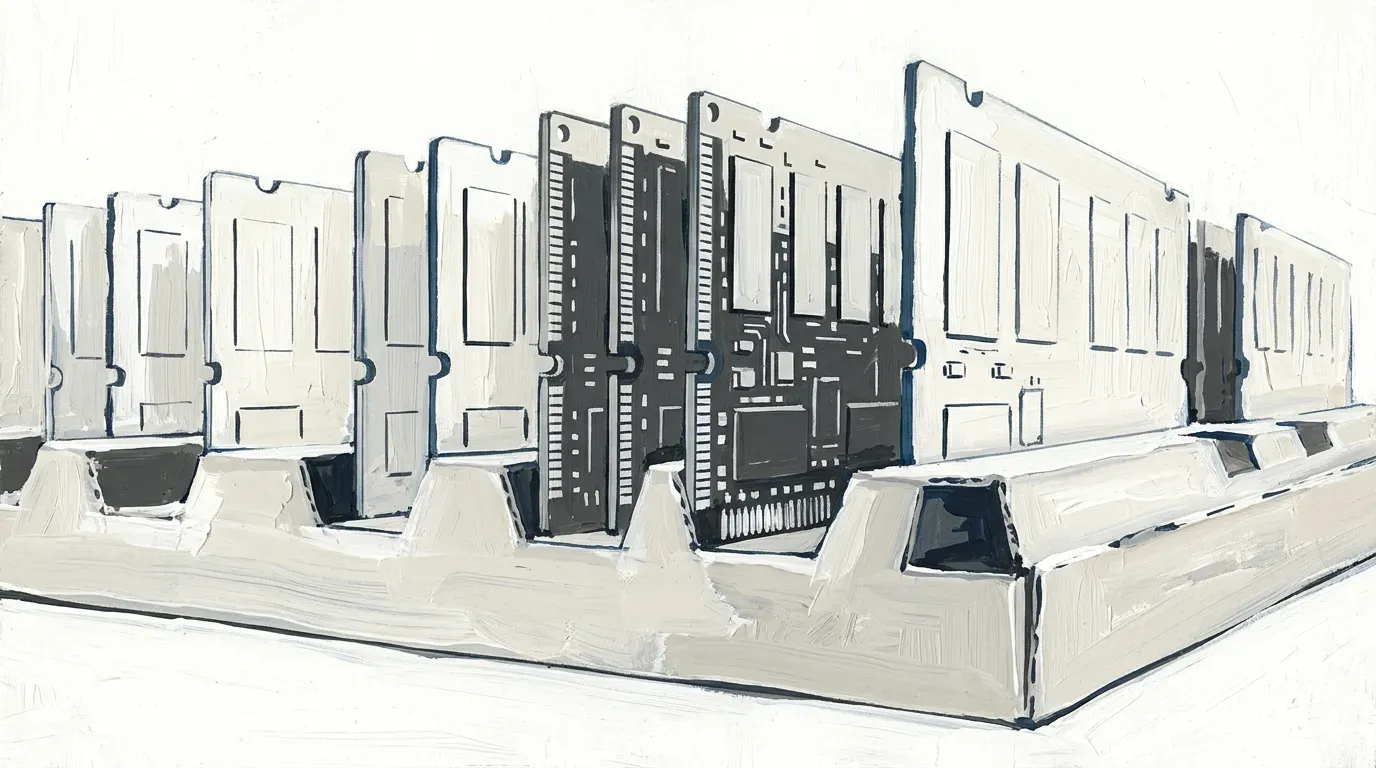
The October Steam Hardware Survey reads like a budget spreadsheet dressed up as a tech report. Sixteen gigabytes of RAM just overtook 32GB as the most common configuration on the platform, climbing 3.6 percentage points to 41.42% of users while 32GB fell 5.16 points to 37.06%. The RTX 3060, a card several generations removed from new, reclaimed the top GPU spot. Four-core CPUs gained ground on eight-core ones. None of this is a trend toward minimalism. It is a market telling you what it can still afford.
The mechanism is not mysterious. Component prices have climbed through all of 2026, and high-end GPUs have started vanishing from retailer listings entirely rather than simply costing more. A used RTX 3060 on eBay runs about $250 to $300 right now, which makes it less a budget pick than the only pick for a growing share of builders.
Who the memory is actually for
Samsung's latest earnings commentary is the part that explains the rest: the company is routing more of its memory output toward AI data centers next year, not less. OpenAI's Sam Altman has already said he finds it "quite terrible" that ordinary people keep RAM in their own machines, which is one way to describe a supply chain that has found a more profitable customer than you. Consumer RAM was never the end use memory manufacturers were built around protecting. It was the market they tolerated while something better wasn't bidding against it. Now something better is, and the gaming PC is the one absorbing the shortfall.
Consoles are not the escape hatch
Anyone hoping to dodge this by buying a console instead is finding the same math waiting there. The PS5 Pro sold out ahead of GTA 6 and resellers are now asking up to $1,399 for used units. Microsoft has started actively encouraging people to sell off Xboxes they aren't using, which is an unusual thing for a platform holder to ask of its own installed base. Rumors of a next-generation Xbox priced near $1,800 land differently against that backdrop: less a shocking number than the number you'd expect once the component market stops pretending this is temporary.
The downgrade is the forecast
A 16GB system and a six-year-old GPU are not what PC gaming was supposed to look like in 2026. They are what it looks like when the raw material gaming hardware is built from gets reallocated to a buyer with deeper pockets and a board that approves the reallocation every quarter. The Steam Hardware Survey didn't catch gamers choosing to want less. It caught them finding out what's left after someone else's infrastructure got served first.