
GTA 6 Is the New Olympics, Says the Economist Nobody Asked
PwC compares Grand Theft Auto 6's launch to the Olympics while Xbox eyes the moment to push ads into console gaming. One of these reactions is more interesting than the other.
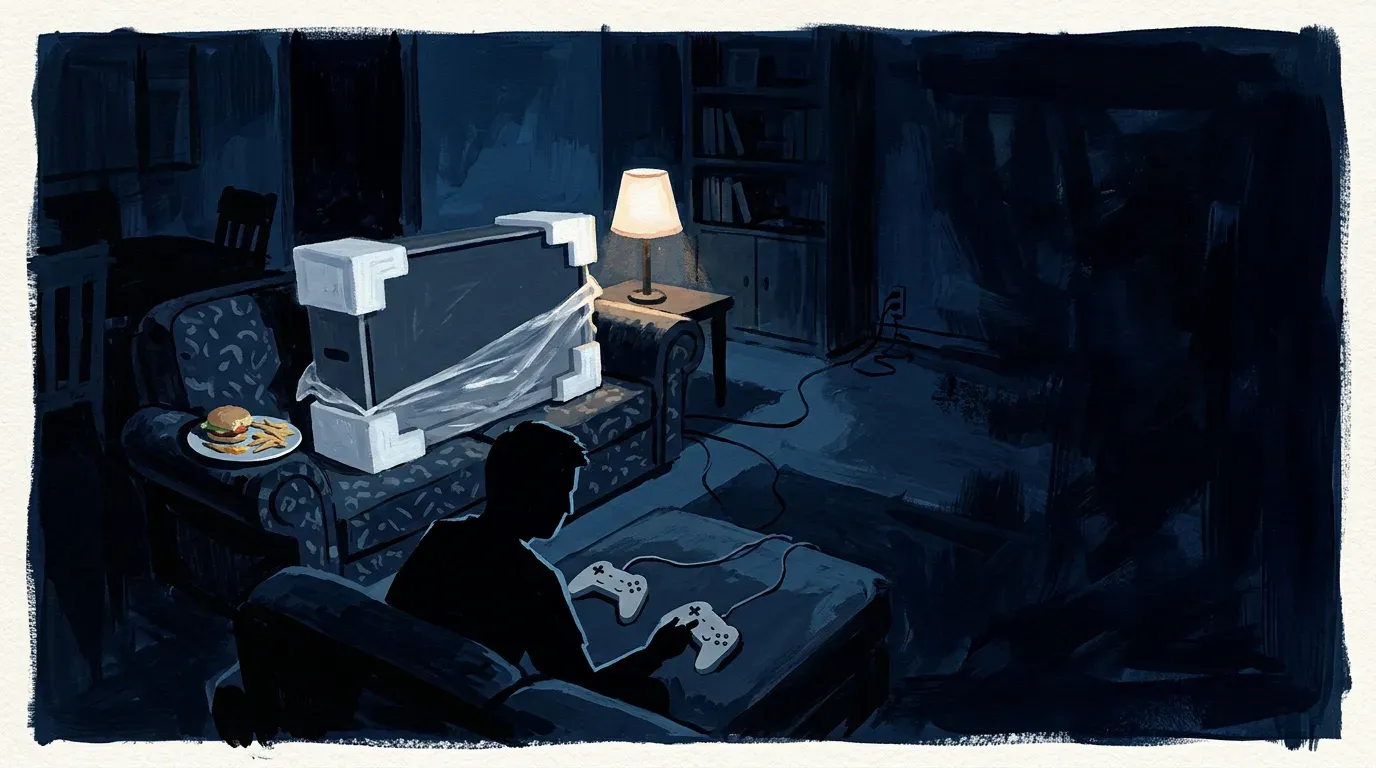
One gathers, reading through the analyst commentary now circulating around Grand Theft Auto 6, that the finance world has run out of ordinary metaphors and reached for the extraordinary ones instead: not a blockbuster, not a release, but an Olympics. That is the word Bart Spiegel of PricewaterhouseCoopers chose when he spoke to GameSpot about the November 19 launch, and one has to admire the ambition of the comparison even while doubting whether the Olympics has ever made anyone call out sick to stay home and watch it alone.
Spiegel's broader point, stripped of its Olympic dressing, is simple enough: GTA 6 is large enough to pull attention away from television, restaurants, music charts, and apparently entire workweeks, and PwC has reportedly observed estimates of time-off requests running 9 to 17 percent above normal around the launch window. CNBC frames the same event in blunter terms, as a billion-dollar hype machine whose ripple effects reach creators, food delivery, and streaming alike, which is corroboration of the scale of the moment even if the two outlets dress it differently.
A Rare Cultural Moment, Reliably Monetized
What neither account quite says outright, though both circle it, is that the moment is rare precisely because almost nobody else can produce it. Spiegel himself concedes as much: very few organizations have the capital, the expertise, and the intellectual property to attempt a release on this scale, which is a polite way of saying that the rest of the industry should stop pretending its own calendar reshuffles are strategy rather than triage. Ubisoft, to its credit, seems to have accepted this with something close to grace, with CEO Yves Guillemot treating the GTA 6 tide as one that lifts rather than drowns, timing a Rainbow Six Siege update to ride alongside it rather than flee from it.
The Advertising Men Are Already Circling
Here is where the murmuring gets genuinely interesting, and where I confess my patience thins. Spiegel suggests that a launch of this size could prove to the wider market that console and PC gaming is finally ready for more advertising, and Xbox's chief strategy officer, Matthew Ball, has already made the case that ads could solve what he calls the industry's two-sided problem of rising development costs. One is invited to admire the framing: console gaming, we are told, needs saving from its costs, and the rescue happens to arrive in the form of more commercials wedged between the moments you already paid for. EA tried something similar in a UFC game and pulled the ads within days once players revolted, which one would think settles the question, except EA has since stood up an entire advertising division anyway. You were promised a subscription that simplified things. You are being offered a subscription with billboards.
Who Actually Profits From the Spectacle
The more honest answer to who benefits sits further from the headline than the ad pitch. Spiegel points to music, noting that Tom Petty's "Love Is a Long Road" surged after the first trailer and Cliff Richard's "Devil Woman" found a new audience through the Netflix extended look, alongside quieter gains for social platforms hosting the inevitable flood of clips. None of that requires anyone to insert a single advertisement into anyone's game. Strauss Zelnick, for his part, remains unbothered by rising console prices cutting into the audience, insisting the experience sells itself regardless of what the hardware costs. He may well be right. It is, after all, rather easier to be confident about demand when you are the one holding the only ticket to the Olympics everyone else is being asked to sit out.