
Digital Foundry Asks: Was This Console Gen a Success or a Flop?
Digital Foundry's panel put the PS5/Xbox Series era on trial in its latest Q+A, and the verdict says more about marketing math than about what's actually in your living room.
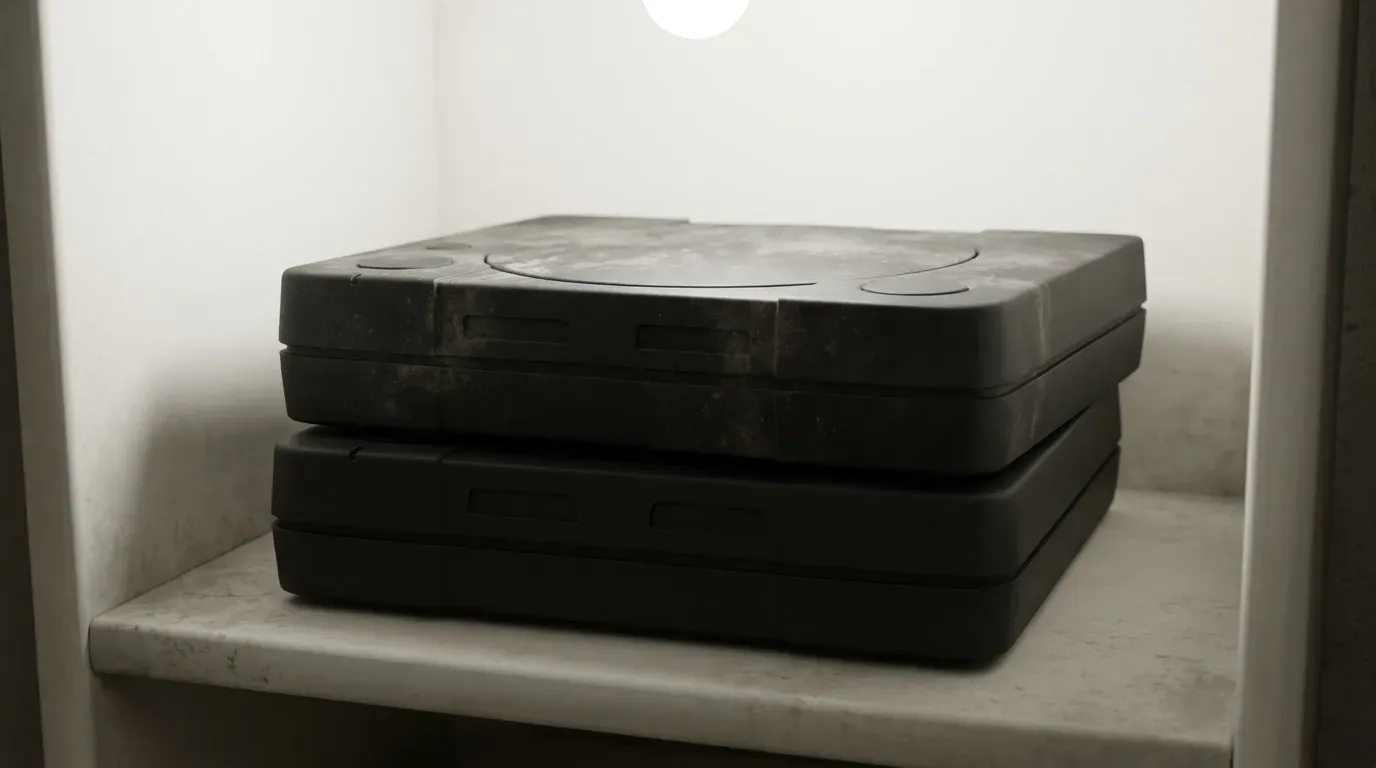
Call this generation a success and the receipts argue back before you finish the sentence: years-long shortages, a library leaning hard on backward compatibility to pad itself out, and a mid-cycle refresh culture that made the base console feel dated before most owners cleared the pack-in game. That's the read I'd hand down without a panel discussion. Digital Foundry spent the opening stretch of its latest DF Direct Q+A chewing over exactly that question, framed by a supporter as whether history will judge the PS5/Xbox Series era a success or a failure.
It's a fair question to put to a panel that actually benchmarks the thing instead of quoting the box copy, and it's the kind of verdict that depends entirely on what you're measuring. Units shipped and subscription numbers will say one thing. Frame-time consistency across the generation's 'next-gen' showcase titles, cross-gen support that outlasted anyone's patience, and a hardware refresh cycle that arrived before the base machines even hit their stride say something considerably less flattering. Measure the thing that was promised, not the thing that was shipped, and 'success' starts doing a lot of marketing-department heavy lifting.
That opener wasn't the whole show. The same session worked through whether Chinese fabrication advances in memory could ease the GPU market's supply crunch, whether PC hardware price spikes will push developers back toward targeting lower-spec 'potato' rigs instead of chasing the high end, and whether an RTX 5090 that's effectively unavailable at retail is still worth benchmarking at all or just baiting an audience that can't buy one. That last question lands on ground this column already walked when we noted that Nvidia Says the RTX 5090 Isn't Dead. The Price Might Be., and a card this scarce staying in rotation on a benchmarking show is its own small data point about where the market actually sits.
The panel also took questions on why Anthropic is reportedly blocking its Claude Code tool from decompiling games, and why Sega never handed its arcade hardware division the keys to home console design, two detours that have nothing to do with each other or with the generation question but say something about the breadth of what gets asked when you open the floor to supporters instead of a press release.
None of that settles the success-or-failure question, and it shouldn't, because the honest answer depends on whether you're grading on units moved or on whether the hardware you bought ever got out of its own way. Go run your own numbers against whatever's sitting under your TV right now. I already know which column that console lands in.