
Asus ROG Xbox Ally X20 Review: Same Chip, Shinier Screen
The X20 charges $300 more than its sibling for an OLED panel and TMR sticks, not a single extra frame. Here's whether that math works out.
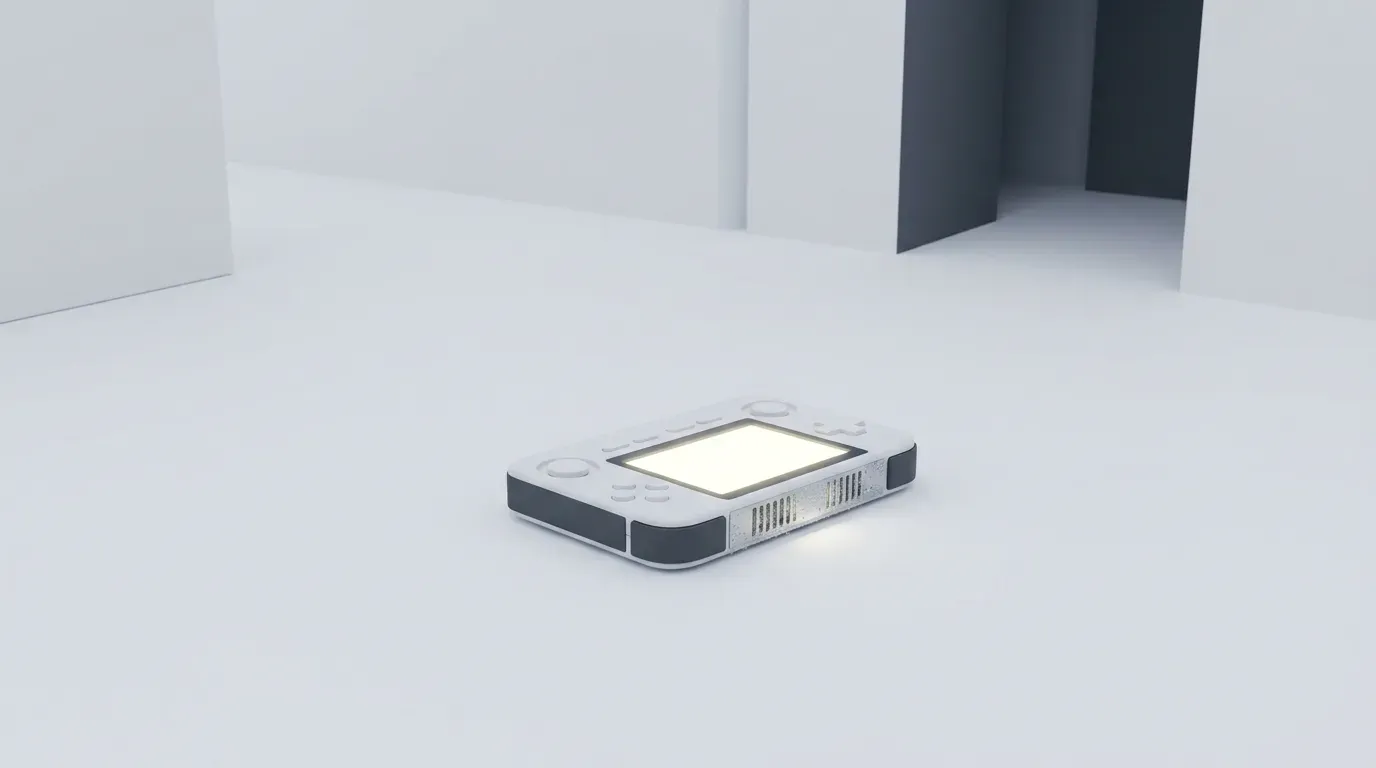
Asus wants you to call this 'refined.' Fine, let's test that claim like it owes us money. Pop the hood on the ROG Xbox Ally X20 and you find the exact same AMD Ryzen Z2 Extreme, the same 24 GB of LPDDR5X, the same 1 TB SSD as the standard Xbox Ally X. Same CPU boost clock, same GPU, same shader count. The benchmark numbers back it up almost to the frame: 42 fps average in Cyberpunk 2077 versus 32 on the original, 85 versus 65 in F1 24, the kind of delta that's run-to-run noise dressed up as generational progress.
So what's the $300 actually buying, beyond the black-and-gold anniversary costume? A 7.4-inch OLED panel hitting 1,400 nits against the old IPS screen's 500, TMR thumbsticks instead of magnetic ones, a reworked cooling setup, and triggers that finally feel like they were designed by someone who's held a controller. PC Gamer's review calls that screen's 0.2 ms response time genuinely 'snappy,' and the HDR certification isn't marketing filler this time, the thing is bright enough that PC Gamer's comparison piece describes its reviewer wincing at an in-game sun at midnight.
That's a real upgrade, I'll grant it that much, go ahead and put it next to an IPS panel yourself and tell me you don't notice. But 'refined' doesn't mean faster, and the actual performance king on this shelf is still the pricier MSI Claw 8 EX AI+ CG3EM, which the review clocks at a 20 to 40 percent uplift over both Ally variants while costing nearly 40 percent more in the US. In the UK the math gets even uglier: the X20 lands within £100 of that Claw while the plain Ally X sits £400 cheaper.
TechDweeb's hands-on take, posted as The New OLED XBOX Handheld // XBOX Ally X20 REVIEW, frames the device as 'ridiculously nice,' which is exactly the kind of adjective that needs a frame counter attached before I believe it. Hardware comparisons from Monitors Unboxed dig into the screen's motion and HDR behavior against the Steam Deck OLED specifically, which tells you where Asus thinks its real competition sits.
Memory prices have inflated every handheld on this market right now, and that context matters, but it doesn't rescue the value proposition here. You're not paying for more performance. You're paying for a screen you'll notice in five minutes and sticks you'll appreciate in six months. Decide what that's worth before Armoury Crate quietly reminds you your charger isn't fast enough to even hit the wattage you paid for.